

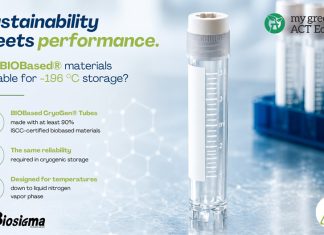
Are BIOBased Materials Suitable for –196°C Storage?
Sustainability is becoming an increasingly important consideration across life sciences and laboratory environments.
In many applications, adopting more sustainable materials may involve balancing environmental benefits...

Best Practices for Biospecimen Collection and Long-Term Preservation
Biospecimen collection and preservation directly influence specimen integrity and the reliability of downstream analytical results. Decisions made during collection, pre-analytical handling, and storage affect reproducibility...
Automation for High-Throughput Biobank Processing Workflows
Biobanks support clinical trials, longitudinal studies, translational research programs, and pharmaceutical research by managing large collections of biological samples. As throughput and regulatory requirements...
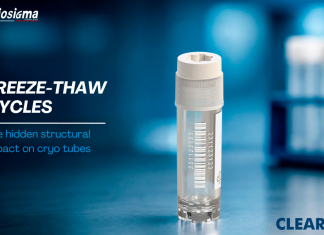
Freeze–thaw Cycles: the Hidden Structural Impact on Cryo Tubes
Cryogenic storage is often associated with maintaining extremely low temperatures.
However, not all stress in biobanking comes from temperature alone.
Repeated freeze–thaw cycles — even when...
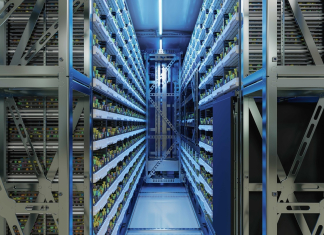
Biobanking Infrastructure for High-Throughput Drug Discovery
Biobanks support pharmaceutical research by storing and managing biological samples, including blood, tissue, and cell lines, across early-stage compound screening and lead optimization.
As collections...
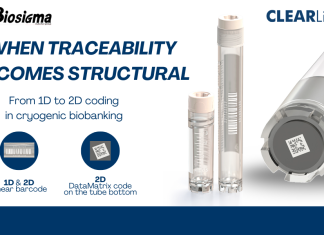
1D vs 2D Coding in Cryogenic Biobanking
In biobanking, identification errors rarely cause immediate failure. Their consequences often surface much later, sometimes months or even years after storage.
A mislabeled tube. A...
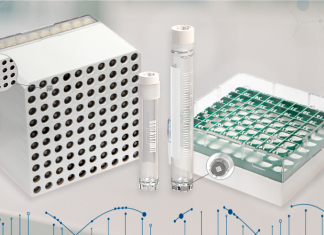
Ultra-Low Temperature Storage: Why Tube Performance Matters at −196 °C
Cryogenic storage in biobanking is commonly associated with achieving and maintaining extremely low temperatures. But it is not only that.
When samples are stored down to -196 °C,...
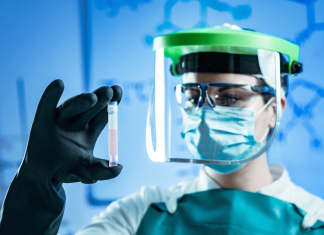
How Biobanks Support Cancer Research Progress
Biobanks support cancer research and personalized oncology by collecting and preserving high-quality biological samples, including tumor tissue samples, blood plasma, and DNA extracts.
When paired with...
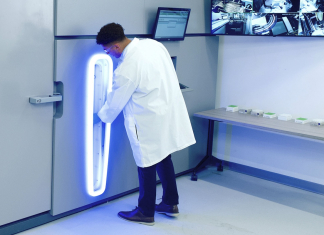
Biobanking for Precision Medicine Programs
Across laboratories worldwide, precision medicine is reshaping how disease is studied and treated. Rather than relying only on symptoms, researchers use biology, down to...
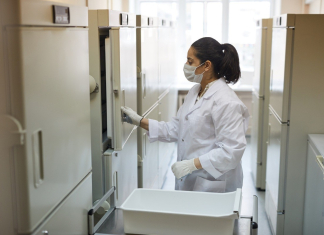
The Price Illusion: Why Biorepositories Can’t Afford Low-Cost Cold Storage
Ultra-low temperature (ULT) freezers form the backbone of biorepositories, safeguarding high-value, irreplaceable biological samples that underpin critical research. The reliability of these systems can...
🔥 Popular Posts

10 Largest Biobanks in the World
Disclaimer: This article is not intended to be definitive. It was sourced from freely, openly available information on the internet. Due to the vastness...


📌 Recently Featured

University of Western Australia Launches Human Milk Research Biobank
New research collection: UWA's WA Human Milk Biobank has collected more than 1,000 samples and has capacity for more than 100,000.
Broader donor...



