- National coordination: Brazil’s Ministry of Health has established the Brazilian Biobank Network (RBBMS) to strengthen collaboration among biobanks nationwide.
- Voluntary participation: The network is open to 108 eligible biobanks approved under Brazil’s national research ethics system, while preserving participating institutions’ administrative autonomy.
- Research capacity: Planned activities include professional training, knowledge exchange, technical guidance and support for collaborative and multicentre research projects.
Brazil’s Ministry of Health has established the Brazilian Biobank Network (Rede Brasileira de Biobancos do Ministério da Saúde, RBBMS) through an official ordinance published in Brazil’s Federal Official Gazette. The initiative aims to connect public and private biobanks across the country and strengthen national research capacity for the Unified Health System (SUS).
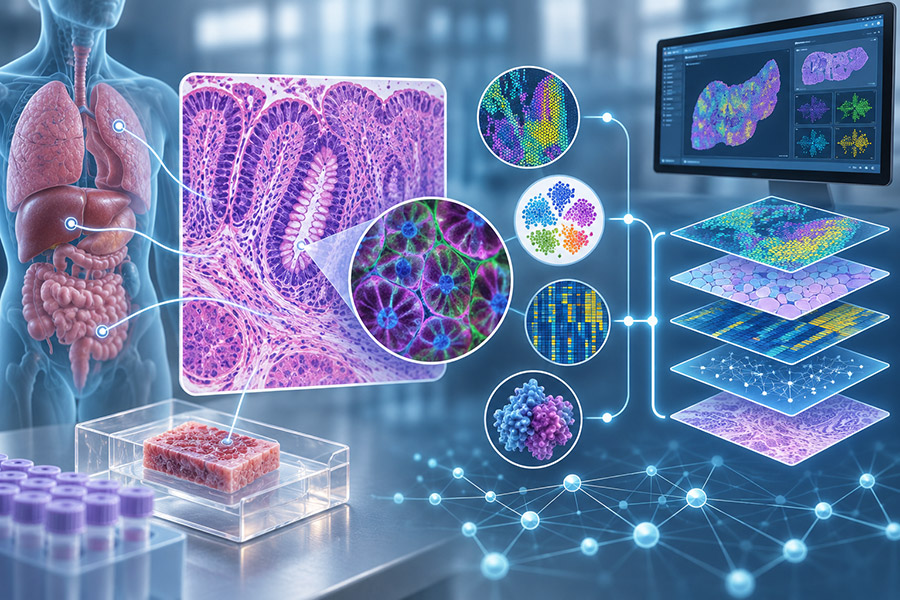
Biobanks across Brazil preserve and manage human biological materials, including blood and tissue samples, alongside associated data and information used in scientific investigations. These resources support different areas of health research and can enable further studies when specimens are appropriately preserved, governed and made available for permitted use.
The network aims to improve cooperation between these facilities, facilitate the exchange of knowledge and good practices, and encourage collaborative and multicentre research. According to the Ministry of Health, the initiative could contribute to scientific evidence generation and support more precise diagnoses and treatments within the public healthcare system.





For the biobanking sector, the initiative establishes a national framework for institutional collaboration. Its practical value will depend on how participating institutions identify complementary capabilities, develop research partnerships and strengthen research infrastructure. Improving cooperation between independent institutions is also relevant to breaking down biobank silos to accelerate diagnostic innovation.
Voluntary Participation and Institutional Autonomy
Participation in the RBBMS will be voluntary and open to 108 biobanks that have been formally established and approved by Brazil’s National System of Research Ethics Involving Human Participants (Sinep).
The initiative brings together eligible public and private institutions while preserving their administrative autonomy. This allows participating organisations to contribute to a shared national effort without removing their institutional independence.
For biobank managers, voluntary participation may create opportunities to identify research partners, exchange operational experience and learn from different approaches to biospecimen preservation and management. Researchers may also benefit from stronger connections between institutions with complementary biological resources and scientific expertise.
However, establishing a network does not automatically guarantee access to particular specimens or datasets. Research activities will continue to depend on applicable ethical, legal, institutional and regulatory requirements, including relevant consent conditions.
Governance and Technical Cooperation
The Secretariat of Science, Technology and Health Innovation (SCTIE/MS) will coordinate the network’s activities and provide technical support for its operation. A consultative and advisory management committee will also contribute to its governance, bringing together representatives from the secretariat, participating institutions, the scientific community and civil society.
Planned activities include professional training, the exchange of knowledge and good practices, and the preparation of guidance documents and technical reference materials. The network will also encourage technical and scientific cooperation, including collaborative and multicentre research projects.
These activities could help participating biobanks share experience, develop institutional capabilities and identify opportunities for joint research. Technical guidance and professional development may be particularly valuable for institutions seeking to strengthen operational practices or expand their involvement in collaborative studies.
The network’s effectiveness will depend on implementation. The planned activities establish a framework for cooperation, but their impact on operational consistency, research productivity and scientific outcomes will need to be assessed as the initiative develops.
Links to Brazil’s Wider Health Research Strategy
The RBBMS forms part of Brazil’s broader efforts to strengthen science, technology and innovation in healthcare. The Ministry connects the initiative with the Health Economic-Industrial Complex (CEIS) and the Genomas Brasil programme, which focuses on genomics and precision public health.
The network also aligns with the National Clinical Research Programme (PPClin) and the National Programme for Radical Innovation in Health. These initiatives reflect a wider policy focus on strengthening national research capabilities and supporting innovation across the healthcare system.
For biobanks, these connections are relevant because well-managed biospecimens and associated data can support research across multiple scientific disciplines. Stronger institutional collaboration could help researchers identify expertise and develop partnerships for studies requiring contributions from different centres.
However, establishing a coordination network does not itself demonstrate improved clinical outcomes or guarantee that new research projects will proceed. Its contribution will depend on how effectively institutions share knowledge, establish collaborations and meet the requirements governing specimen use and data access.
Implications for Brazil’s Biobanking Sector
The Brazilian Biobank Network represents an organisational step towards closer collaboration between institutions responsible for human biological materials and associated research information. Its voluntary structure and commitment to institutional autonomy provide a framework for cooperation without requiring participating organisations to surrender their administrative independence.
The key measure of success will be whether this framework leads to practical research partnerships, useful technical resources and sustained knowledge exchange. As the network develops, its implementation will determine how effectively it strengthens research capacity and supports biospecimen-enabled studies across Brazil’s public healthcare system.
About the Author

Biobanking.com delivers valuable news and information on biobanking, biorepositories, cryopreservation, and biosample/biospecimen management, while connects buyers with top vendors globally.