

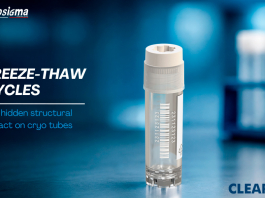
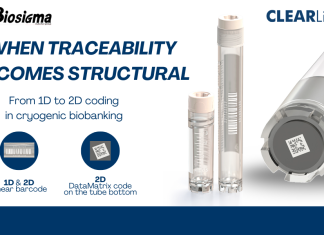
1D vs 2D Coding in Cryogenic Biobanking
In biobanking, identification errors rarely cause immediate failure. Their consequences often surface much later, sometimes months or even years after storage.
A mislabeled tube. A...
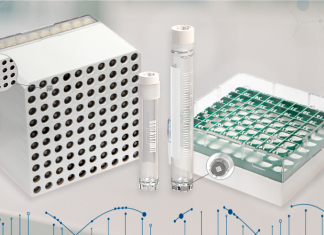
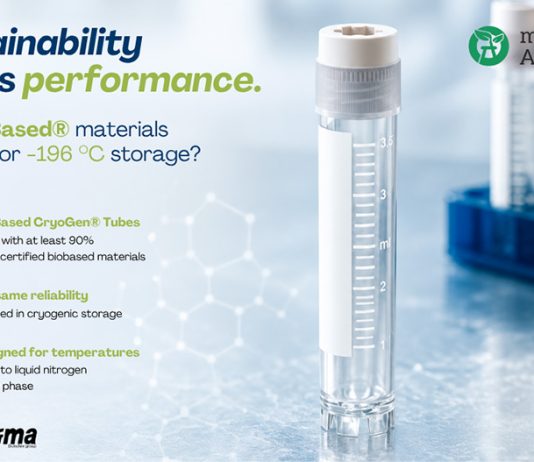
Ultra-Low Temperature Storage: Why Tube Performance Matters at −196 °C
Cryogenic storage in biobanking is commonly associated with achieving and maintaining extremely low temperatures. But it is not only that.
When samples are stored down to -196 °C,...
How Biobanks Support Cancer Research Progress
Biobanks support cancer research and personalized oncology by collecting and preserving high-quality biological samples, including tumor tissue samples, blood plasma, and DNA extracts.
When paired with...
From Hoarding to Sharing: Breaking Down Biobank Silos to Accelerate Diagnostic Innovation
Despite major advances in diagnostics and translational science, one of the most persistent bottlenecks in research remains surprisingly basic: access to high-quality biospecimens. Across...
Biobanking for Precision Medicine Programs
Across laboratories worldwide, precision medicine is reshaping how disease is studied and treated. Rather than relying only on symptoms, researchers use biology, down to...
Digitalization in Biobanking: From Traditional to Modern Practices
Introduction
Technological progress has shifted biobanking from traditional to modern practices, with an increasing widespread digital adoption. Digital biobanking manages, stores, and analyzes biological samples...
The Price Illusion: Why Biorepositories Can’t Afford Low-Cost Cold Storage
Ultra-low temperature (ULT) freezers form the backbone of biorepositories, safeguarding high-value, irreplaceable biological samples that underpin critical research. The reliability of these systems can...
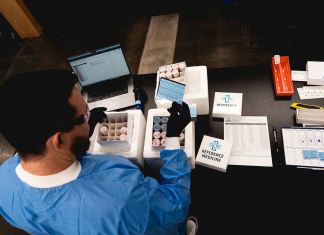
What Your Biospecimen Procurement Partner Isn’t Telling You
Biospecimens are the foundation of every discovery in diagnostics, research, and drug development. They fuel the search for new therapies and assays, power clinical...
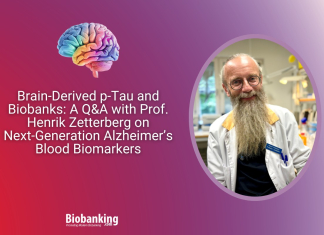
Brain-Derived p-Tau and Biobanks: A Q&A with Prof. Henrik Zetterberg on Next-Generation Alzheimer’s Blood...
This interview was conducted by Gustav Ceder for Biobanking.com. It has been edited for length and clarity.
Henrik Zetterberg is Professor of Neurochemistry at...
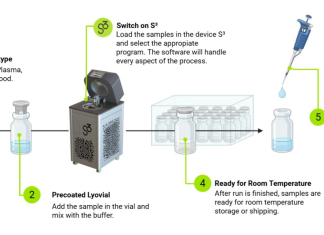
Room Temperature Biobanking: Can you Imagine Preserving Your Samples with Maximum Quality Without Freezing?
Advances in molecular techniques have increased the demand for effective methods to preserve biological material while ensuring the stability of nucleic acids, proteins, and...
🔥 Popular Posts

10 Largest Biobanks in the World
Disclaimer: This article is not intended to be definitive. It was sourced from freely, openly available information on the internet. Due to the vastness...


📌 Recently Featured

University of Western Australia Launches Human Milk Research Biobank
New research collection: UWA's WA Human Milk Biobank has collected more than 1,000 samples and has capacity for more than 100,000.
Broader donor...



