Tag: Sample Management

Biobanking Science: Preserving Large Biospecimens
Biobanks store many different types of biospecimens, ranging from cells and small tissue samples right through to whole organs, whole limbs or even whole...

Biobanking Science: Managing Brain Biorepositories
Brain biorepositories such as the NeuroBioBank in the US, the BrainNet Europe consortium and the SIREN biobanks in Africa support research into brain diseases...

Biobanking Science: Lessons from African Biobanks
With the recent advances in genomic sequencing, proteomics and precision medicine, biobanks are becoming more prevalent around the world. So are large-scale population studies...

Biobanking Science: HIV RNA Stable at -80°C in Biobanks
Biobanks facilitate research by collecting, storing and sharing samples. One of the major concerns that biobanks face is how to best maintain sample quality...
Biobanking Science: How Storage Affects Inflammatory Biomarkers
Biobanking storage conditions can affect long-term sample quality and integrity1. A number of biomarkers are particularly sensitive to storage temperature and can degrade even...

Biobanking Science: Mining Paraffin-Embedded Samples for DNA, RNA and Protein
Biobanks may choose to store biological samples as formalin-fixed paraffin-embedded (FFPE) blocks. FFPE preservation is the standard method of collecting and storing surgical pathology...

Biobanking Science: ISBER Best Practices for Biobanks
Biobanks face the challenge of storing and handling many different types of biological samples. Unlike chemicals, biological samples are living. Therefore, it is much...

Biobanking Science: Plastic Tubes Can Contaminate Biobanked Samples
Plastics Can Cause Experimental Errors in Biobanks
Biobanks and laboratories use an array of plastic consumables such as pipette tips, sample storage tubes and cell...

LabVantage Solutions to Present its LIMS Platforms at Pittcon 2018
A Laboratory Information Management System (LIMS) is software, the primary purpose of which is to track and manage samples and the associated data. According...
🔥 Popular Posts

10 Largest Biobanks in the World
Disclaimer: This article is not intended to be definitive. It was sourced from freely, openly available information on the internet. Due to the vastness...


📌 Recently Featured
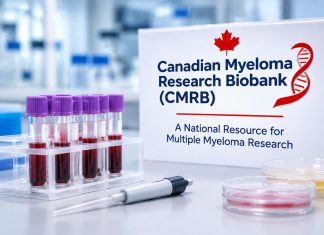
Canada to Establish First National Multiple Myeloma Biobank With $6 Million Gift
Major philanthropic investment: An anonymous $6 million gift will support Canada's first national biobank dedicated exclusively to multiple myeloma research.
Research infrastructure: The...