
Highlights
- Researchers at UVA are building a biobank to study colorectal cancer and address disparities in diagnosis and outcomes.
- The team investigates how dietary factors, like high-fructose corn syrup, influence colorectal cancer risk among diverse populations.
- Efforts include recruiting underrepresented groups to ensure a more comprehensive understanding of colorectal cancer across different demographics.
Researchers at the University of Virginia (UVA) are launching a biobank initiative aimed at investigating the complexities of colorectal cancer, particularly its disparate effects on various populations. While overall rates of colorectal cancer have decreased, the increasing incidence among younger individuals and higher rates among African Americans underscore an urgent need for focused research.
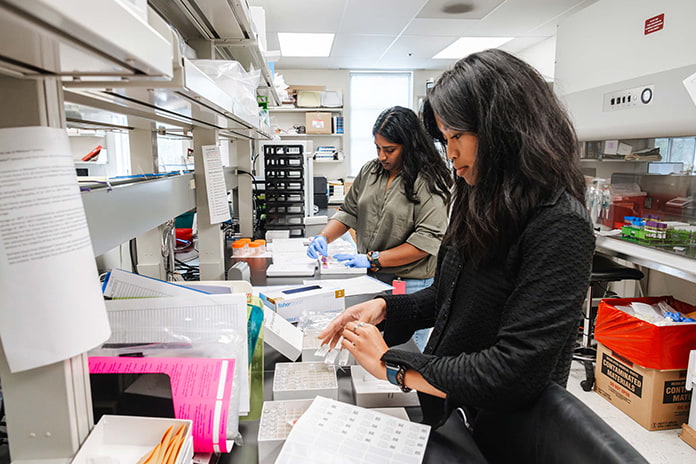
Under the guidance of Dr. Li Li, the UVA team is working to collect a wide array of biological samples from patients, building upon previous findings that indicated significant differences in the aging of the colon based on ethnicity. Their current efforts target over 600 patients, with aspirations to expand this pool substantially, facilitating a deeper exploration into the formation of colon polyps, early precursors to cancer.
In addition to sample collection, the research team is examining lifestyle factors, particularly the impact of high-fructose corn syrup on cancer rates. Collaborations with other departments aim to study how sugary beverages affect health, especially in rural communities. This comprehensive approach highlights the interplay between diet and colorectal cancer risk.


A key aspect of the biobank initiative is the emphasis on recruiting underrepresented populations, including ethnic minorities and individuals across a wide age range. This effort seeks to rectify historical biases in medical research, ensuring that findings are more reflective of the diverse American populace. As lab specialist Samyukta Venkatesh noted, it is essential to capture the varied experiences of different communities to enhance the relevance of research outcomes.
With an expanding collection of samples—ranging from blood to stool and hair—the research team is optimistic about future discoveries. Leveraging modern technology and a commitment to inclusivity, UVA researchers believe they are poised to make significant advances in understanding and mitigating the impacts of colorectal cancer in the years ahead.
About the Author

Biobanking.com delivers valuable news and information on biobanking, biorepositories, cryopreservation, and biosample/biospecimen management, while connects buyers with top vendors globally.