- Major Investment: Li Family Trust funding supports seven “bold and important” cancer research projects with $50,000 grants each.
- Equity at the Core: Research prioritises Māori, Pacific and rural communities disproportionately affected by cancer.
- From Lab to Life: Projects range from organoid biobanks and AI diagnostics to home-based treatments and cell therapies.
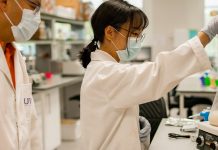
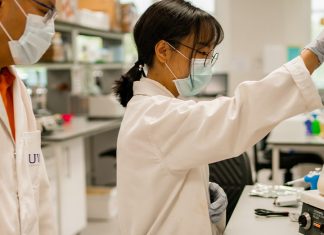
Cancer research at Waipapa Taumata Rau, the University of Auckland, has received a significant $350,000 boost from the Li Family Trust, strengthening New Zealand’s drive towards more equitable and effective cancer care.
The University’s Te Aka Mātauranga Matepukupuku – Centre for Cancer Research has selected seven “bold and important” projects, each receiving a $50,000 grant to accelerate early-stage research with strong clinical potential.
Centre co-director Professor Andrew Shelling says the funding supports work that could translate into meaningful patient benefit. “These projects have the potential to offer valuable scientific insights and could lead to better treatments for cancer patients in the future,” he says, noting a strong emphasis on reducing inequities in cancer outcomes.


Personalised Medicine and Earlier Detection
Among the funded projects is New Zealand’s first lung cancer organoid biobank, led by Dr Hossein Jahedi. By growing miniature tumour models from patients with advanced lung cancer, the team aims to predict how individual cancers respond to different treatments.
“These organoids mimic the original tumour and allow us to test therapies before they are given to patients,” Jahedi explains. The approach could help clinicians avoid ineffective treatments and unnecessary side effects, while opening doors to testing new drugs.
Lung cancer remains New Zealand’s deadliest cancer, with Māori and Pacific people three times more likely to die from the disease. Jahedi plans to establish 10 to 20 organoids over the next 18 months, laying the foundation for a national research resource.
Early detection is also central to work by Dr Laird Cameron and Dr Daisy Mak, who are studying lung cancer in people who have never smoked. These cancers are often diagnosed late and now represent the fifth leading cause of cancer deaths globally. The researchers aim to refine screening approaches and better understand genetic and environmental drivers, particularly those affecting Māori and Pacific populations.
Bringing Treatment Closer to Home
Improving access to care is the focus of a project led by Dr James McKeage, who is testing a multi-jet injection device capable of delivering large-volume cancer treatments under the skin. If successful, the technology could replace some intravenous therapies that currently require hospital visits.
“The study aims to improve access to treatment, especially for rural and Māori communities,” says McKeage, while also offering potential cost savings for the health system.
In another step toward advanced therapies, Dr Alicia Didsbury is establishing New Zealand’s first facility to manufacture virus-specific T-cells. These immune-based treatments are used internationally to protect vulnerable cancer and transplant patients from life-threatening infections but are not currently produced locally.
“Setting up production in Auckland will ensure more patients can access this critical therapy,” Didsbury says, describing the project as a foundation for future cell and gene therapies in cancer care.
Technology, Equity and Patient-Centred Care
Artificial intelligence also features strongly, with Dr Thiranja Prasad Babarenda Gamage developing an AI tool that can analyse breast MRI scans in under 30 seconds. The technology aims to reduce diagnostic delays and improve accuracy, enabling patients to begin treatment sooner.
Addressing rarer but deadly cancers, Dr Susan Richter and Associate Professor Marianne Elston are investigating ethnic disparities in neuroendocrine cancers, particularly PPGL, which can be inherited and appears more common in Māori. With no cure currently available, the research seeks both better understanding and new treatment avenues.
Patient experience is a key focus of the final project, led by Dr Annie Jones, who is developing visual and animated resources to help children undergoing radiotherapy understand their treatment. Co-designed with tamariki, rangatahi, whānau and clinicians, the resources aim to reduce anxiety and improve care, beginning at Starship Hospital with plans for national expansion.
About the Author

Biobanking.com delivers valuable news and information on biobanking, biorepositories, cryopreservation, and biosample/biospecimen management, while connects buyers with top vendors globally.