
Biobanking Science: Tackling Antibiotic Resistance
Antibiotic resistance is a major health issue. More than 700,000 people around the world die from antibiotic-resistant bacterial infections every year—23,000 of those are...

Biobanking Science: Brainstorm Consortium Finds Genetic Link for Brain Diseases
One of the major benefits of biobanking is the ability to safely collect and store large numbers of biological samples. This allows researchers to...

Biobanking Science: Disease Patterns in UK Biobank Data
The UK Biobank is one of the biggest biobanking projects in the world with samples and data from over 500,000 participants aged 40 to...
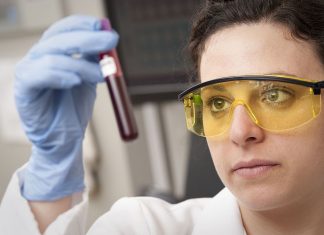
Biobanking Science: MicroRNAs As Biomarkers
Scientists around the world are searching for reliable biomarkers to diagnose diseases and track disease progression and patients’ responses to treatment. There has been...

Biobanking Science: Perinatal Cell Therapies
Biobanking is an Integral Part of Cell Therapy
Cell therapy is a rapidly growing medical field with the potential to treat a wide range of...
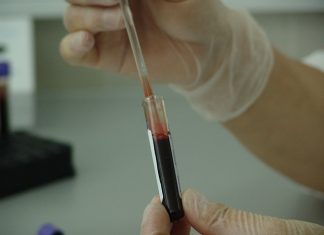
Biobanking Science: How Storage Affects Inflammatory Biomarkers
Biobanking storage conditions can affect long-term sample quality and integrity1. A number of biomarkers are particularly sensitive to storage temperature and can degrade even...

Biobanking Science: ISBER Best Practices for Biobanks
Biobanks face the challenge of storing and handling many different types of biological samples. Unlike chemicals, biological samples are living. Therefore, it is much...
🔥 Popular Posts

10 Largest Biobanks in the World
Disclaimer: This article is not intended to be definitive. It was sourced from freely, openly available information on the internet. Due to the vastness...


📌 Recently Featured
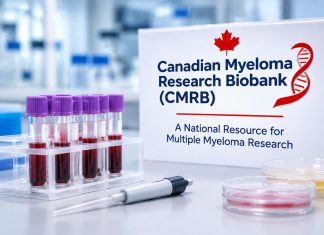
Canada to Establish First National Multiple Myeloma Biobank With $6 Million Gift
Major philanthropic investment: An anonymous $6 million gift will support Canada's first national biobank dedicated exclusively to multiple myeloma research.
Research infrastructure: The...