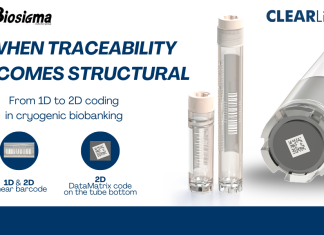
1D vs 2D Coding in Cryogenic Biobanking
In biobanking, identification errors rarely cause immediate failure. Their consequences often surface much later, sometimes months or even years after storage.
A mislabeled tube. A...
OU Health Pioneers Ovary Tissue Freezing: A Beacon of Hope for Future Parenthood Amidst...
OU Health has pioneered a groundbreaking fertility preservation method, ovarian tissue cryopreservation, offering new hope to patients at risk of infertility due to medical...
Ultra-Low Temperature Storage: Why Tube Performance Matters at −196 °C
Cryogenic storage in biobanking is commonly associated with achieving and maintaining extremely low temperatures. But it is not only that.
When samples are stored down to -196 °C,...

Automated Cryogenic Expansion Strengthens Würzburg Biobank Infrastructure
Automated Nitrogen Storage: Biosamples preserved at minus 185 degrees Celsius for long-term research applications
Continuous Cold-Chain Processing: Automated workstation enables biosample handling at...
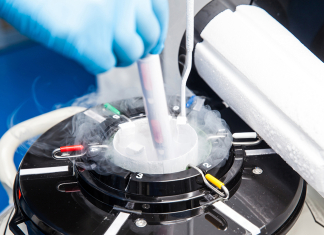
Cornell Study Advances Embryo Biobanking Through Faster Freezing
Ultrafast Embryo Cryopreservation: Cornell researchers showed 30-fold faster cooling can prevent ice formation in bovine embryos.
Improved Post-Thaw Viability: Fast-cooled embryos developed more...
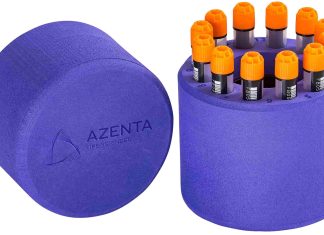
Reproducible Cryopreservation using Alcohol-free Cell Freezing (Azenta)
CoolCell™ cell freezing containers from Azenta Life Sciences deliver reproducible cryopreservation while eliminating the need for alcohol-based freezing methods.
As cell therapies, regenerative medicine and biobanking continue to expand,...

Cryogenic Storage System for Fertility Clinics (Azenta)
Azenta Life Sciences announce the CryoArc™ Vita-76, a high-efficiency cryogenic storage system design optimized for In vitro fertilization (IVF) clinics and reproductive medicine facilities.
The...
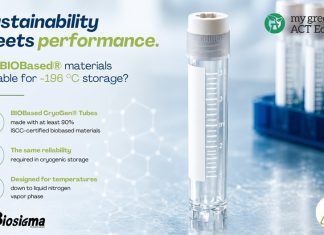
Are BIOBased Materials Suitable for –196°C Storage?
Sustainability is becoming an increasingly important consideration across life sciences and laboratory environments.
In many applications, adopting more sustainable materials may involve balancing environmental benefits...
🔥 Popular Posts

10 Largest Biobanks in the World
Disclaimer: This article is not intended to be definitive. It was sourced from freely, openly available information on the internet. Due to the vastness...


📌 Recently Featured

UK Biobank Launches Major Blood Proteomics Study to Investigate Early Signs of Neurodegenerative Diseases
Large-Scale Proteomics: The project aims to analyze hundreds of brain-related proteins across tens of thousands of stored UK Biobank blood samples.
Earlier Disease...