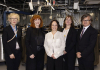
- Pediatric Biobank Established: Ulm University Hospital expands its pediatric research infrastructure with a new decentralized biobank.
- Integrated Biobank Network: KJBU biobank to connect with Ulm’s central biobank, enhancing long-term biospecimen and data preservation.
- Advancing Pediatric Research: High-quality samples and data will drive innovations in diagnosis, treatment, and translational research for children.
With the establishment of a biobank at the Clinic for Pediatric and Adolescent Medicine (KJBU), Ulm University Hospital (UKU) in Germany is expanding its research infrastructure in the field of pediatric medicine. This decentralized sub-biobank will in the future be connected to the Central Biobank of Ulm University Medicine, creating optimal conditions for the long-term preservation of high-quality biospecimens and data, thereby enabling future advances in diagnostics and therapy.
The new pediatric and adolescent biobank creates a modern platform for the systematic collection and use of biological samples from pediatric patients. In the long term, the KJBU will become part of the central biobank in Ulm, contributing to the consolidation of biomedical resources across the site. Guided by the principle “Research for the children of tomorrow,” the biobank aims to process, characterize, document, and archive samples and associated data according to the highest quality and data protection standards. In this way, the samples can be made available for scientific projects and help improve diagnosis and treatment of pediatric diseases.
“With this biobank, we are creating an important foundation to better understand diseases in childhood and adolescence and to treat them more precisely in the future. Research and patient care are directly interconnected here,” emphasizes Prof. Dr. Miriam Erlacher, Medical Director of the Clinic for Pediatric and Adolescent Medicine.


Diverse Samples – Differentiated Storage
The new facility will collect various types of samples from pediatric patients, including blood and bone marrow smears, blood cells, bone marrow cells, human cell lines, tumor tissue, and DNA samples. Depending on the sample type, storage will take place at room temperature, at – 80 degrees Celsius, or in liquid nitrogen at – 196 degrees Celsius. This cryopreservation ensures the long-term preservation of biological quality and thus the scientific usability of the samples. In Ulm, it will be possible to store samples from more than 2,000 children and adolescents per year in the future.
Innovative Pediatric Research
The collected samples will be used to improve diagnostic procedures, gain new insights into fundamental cellular and molecular disease mechanisms, and develop new therapeutic approaches for children and adolescents. “Biobanks are an indispensable tool for translational research. Through standardized processes, precise documentation, and modern storage technologies, we ensure that samples remain scientifically usable in the long term and enable new discoveries,” explains Prof. Dr. Ulrich Pannicke, Head of the new biobank at UKU. A prerequisite for sample storage is the consent of the patients or their legal guardians, which can be withdrawn at any time, ensuring responsible handling of sensitive health data.
The establishment of the new biobank was made possible through the generous support of various funding partners. Key contributors included the Förderkreis für tumor- und leukämiekranke Kinder Ulm e.V., the Valentina Foundation, the Stöferle Family Foundation, the SMHB Children’s Foundation, and the Stiftung pro bono BC (Kreissparkasse Biberach). “We owe the realization of this biobank largely to the commitment of our supporters. Their contributions enable research that directly benefits children,” emphasizes Prof. Erlacher.
Background Information
Biobanks are a central component of modern biomedical research, as they link standardized samples with quality-assured clinical data. This makes it possible to better understand disease mechanisms and develop new diagnostic and therapeutic strategies. Particularly in pediatric medicine, structured sample collection plays a crucial role in accelerating scientific discoveries and improving treatment options. The planned integration of the KJBU into a central biobank structure at the Ulm university site is expected to facilitate interdisciplinary research and promote synergies across different fields in the future.
About the Author

Biobanking.com delivers valuable news and information on biobanking, biorepositories, cryopreservation, and sample/biospecimen management, while connects buyers with top vendors globally.